


Table of Contents
When it comes to packing lunch for a toddler or enjoying a meal at home together, you know it’s not always easy to find that sweet spot of nutritious, balanced, and toddler-approved.
Throw in the goal of keeping things vegetarian; it can feel like an extra challenge. But with a few simple ideas and a little prep, creating healthy, plant-based lunches that your toddler will actually eat (and enjoy!) is absolutely doable.
From easy finger foods to make-ahead meals, these ideas will help you mix up the lunch routine, encourage your toddler to try new flavors and make sure they’re getting what they need to grow and thrive.
Plus, I’ll include tips for dealing with picky eaters and ways to keep things interesting because let’s face it—toddlers aren’t always easy!
Ready to build a lunch routine that’s nourishing, easy, and toddler-friendly? Let’s dive in!
Why Focus on Balanced Vegetarian Lunches?
When it comes to feeding toddlers, balance is key—especially with vegetarian meals. Since little ones are growing rapidly, they need a variety of nutrients to support everything from their bones to their brains.
The Academy of Nutrition and Dietetics‘ stance on vegetarian diets throughout the life cycle is clear: well-planned and balanced vegetarian diets are a healthy option for every age and stage.
By focusing on balanced lunches, we can give toddlers the energy and nutrition they need to thrive while keeping meals fun and appealing. Here’s why balance matters:
- Supports Growth and Development
Toddlers’ bodies and brains are developing quickly, and they need nutrients from each food group to support that growth. A balanced lunch provides protein for building muscles, healthy fats for brain development, and complex carbs to keep energy levels stable. - Provides Key Nutrients
With a vegetarian diet, it’s especially important to include a mix of foods that supply essential nutrients like iron, calcium, zinc, and vitamin B12. By including a variety of veggies, grains, legumes, and healthy fats, you’re covering those nutrient bases.- Ingredients like lentils, leafy greens, fortified cereals, and seeds can help ensure your toddler is getting what they need without relying on animal products.
- Encourages a Healthy Relationship with Food
Offering a range of foods at lunchtime lets toddlers explore new textures and flavors, which helps build a positive, adventurous attitude toward food.- When kids are given balanced options, they’re less likely to develop picky habits and are more open to trying new things, which is helpful for establishing lifelong healthy eating habits.
- Keeps Energy Levels Stable
Toddlers are constantly on the move, and they need steady energy to fuel their play and learning. Balanced lunches with a mix of fiber, protein, and healthy fats prevent quick sugar spikes and crashes, helping them stay full and focused longer.- Ingredients like whole grains, fruits, and protein-rich foods like beans or cheese provide lasting energy to keep them satisfied and energized through their busy afternoons.
- Supports Family Eating Patterns
Focusing on balanced vegetarian lunches not only benefits your toddler but can also simplify mealtime planning for the whole family.- These lunches can easily be adapted for other family members, making it easier to share meals and creating a positive eating environment where everyone enjoys similar, nutritious foods together.
By prioritizing balance, you’re providing nutritious vegetarian toddler meals and setting up healthy habits for the long run. Plus, with all the delicious options out there, balanced vegetarian lunches can be just as fun and satisfying as any other meal.
And the best part? You’ll fuel their bodies with what they need to explore, grow, and thrive!
Key Components of a Balanced Toddler Vegetarian Lunch
Creating a balanced lunch doesn’t have to be complicated. With just a few core components, you can build a meal that’s nutrient-dense, satisfying, and enjoyable for your toddler. Here’s what to include in every balanced toddler vegetarian lunch:
- Protein
Protein is a must for growth and development, providing the building blocks toddlers need to strengthen muscles and tissues. In vegetarian meals, you can easily incorporate protein with options like beans, lentils, tofu, tempeh, eggs and dairy.- Nuts and seeds (or their butters) also make a great protein source but should be served in safe, toddler-friendly forms to prevent choking.
- Ideas: Mini lentil patties, tofu cubes, cottage cheese, or a sprinkle of hemp seeds on a veggie bowl.
- Complex Carbohydrates
Toddlers need a steady energy source to fuel their play and learning, and complex carbs offer just that. Whole grains, starchy vegetables, and fruits provide fiber and sustained energy while helping them feel full and satisfied.- Aim to include whole grains whenever possible for extra fiber, vitamins, and minerals.
- Ideas: Whole-grain pasta, sweet potato chunks, brown rice, or whole-wheat crackers.
- Healthy Fats
Healthy fats are essential for brain development and help toddlers absorb fat-soluble vitamins like A, D, E, and K. Include plant-based fats like avocado, nut and seed butters, or olive oil. These fats add creaminess and flavor and make meals more satisfying.- Ideas: Sliced avocado, sunflower seed butter, a drizzle of olive oil over veggies, or pre-soaked chia seeds mixed into yogurt.
- Fruits and Vegetables
Fruits and veggies provide a colorful array of vitamins, minerals, and antioxidants that support immune function and overall health. Variety is key here—different colors often mean different nutrients.- Serving a mix of raw, cooked, or steamed veggies can make textures and flavors more appealing to toddlers.
- Ideas: Bell pepper strips, cherry tomatoes, diced mango, roasted carrots, or halved grapes.
- Calcium-Rich Foods
Calcium is vital for growing bones and teeth. Dairy products are an easy source, but you can also include fortified plant-based milks, leafy greens, and sesame seeds for extra calcium.- Ideas: Cheese cubes, yogurt, broccoli, or fortified almond or soy milk in a smoothie.
- Iron-Rich Foods and Vitamin C
Iron is a key nutrient for energy and brain development, especially in vegetarian diets where plant-based iron is absorbed less efficiently than animal-based sources. Include iron-rich foods like beans, lentils, spinach, or fortified cereals.- Pairing these with a source of vitamin C (like tomatoes, strawberries, or bell peppers) enhances iron absorption.
- Ideas: Hummus with bell pepper slices, lentil soup with a squeeze of lemon, or oatmeal with strawberries.
- Hydrating Foods
Keeping your toddler hydrated doesn’t stop with water! Foods high in water content can contribute to their overall hydration, which is important for energy and digestion. Fruits like watermelon, oranges, and cucumbers are hydrating, nutrient-rich choices to include in lunches.- Ideas: Cucumber sticks, orange slices, or a side of watermelon cubes.
Understanding Toddler Portion Sizes and Eating Patterns
When it comes to how much food toddlers need, it’s easy to expect them to eat like smaller adults—but their nutritional needs and appetite are quite different!
Toddlers tend to eat based on their body’s cues, and that means their appetite might vary from day to day, or even meal to meal. It’s completely normal for them to have days where they eat a lot and other days when they seem less interested.
As a general rule, offering a variety of small portions of nutritious foods allows them to listen to their hunger cues and choose what they need. For most toddlers, a few tablespoons of each food type (like grains, vegetables, and proteins) per meal is often just the right amount.
By focusing on variety and balance rather than expecting “clean plates,” you’re helping build positive eating habits and encouraging self-regulation. Do your best to avoid teaching them to ignore their body’s hunger and fullness cues.
For more information about toddler feeding, visit the Ellyn Satter Institute.
Easy Toddler vegetarian lunch ideas
Preparing balanced lunches for your toddler doesn’t need to be time-consuming or complicated! Here are some easy, toddler-friendly vegetarian lunch ideas that combine nutritious ingredients with a playful presentation to keep little ones interested.
Bento Boxes
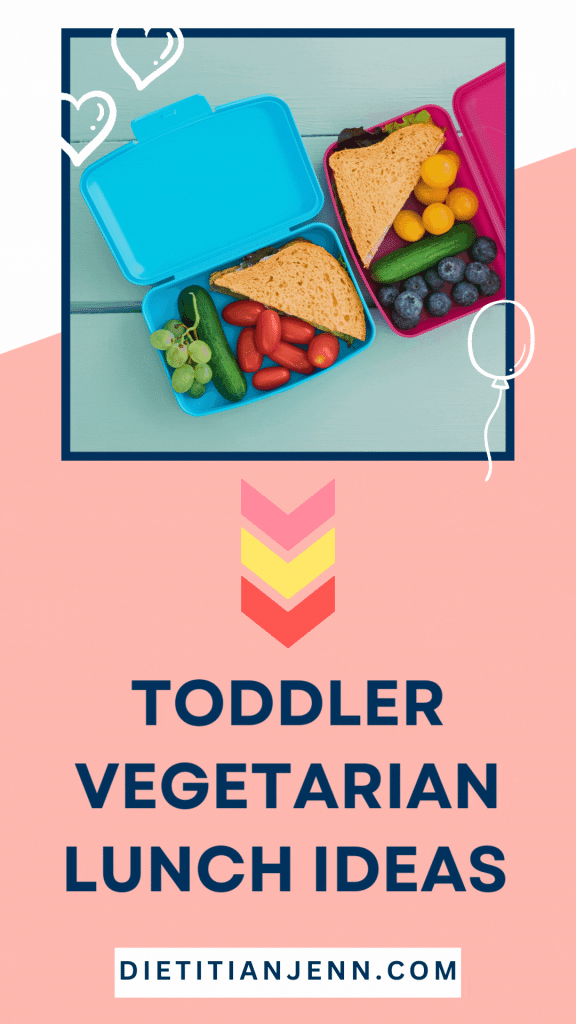
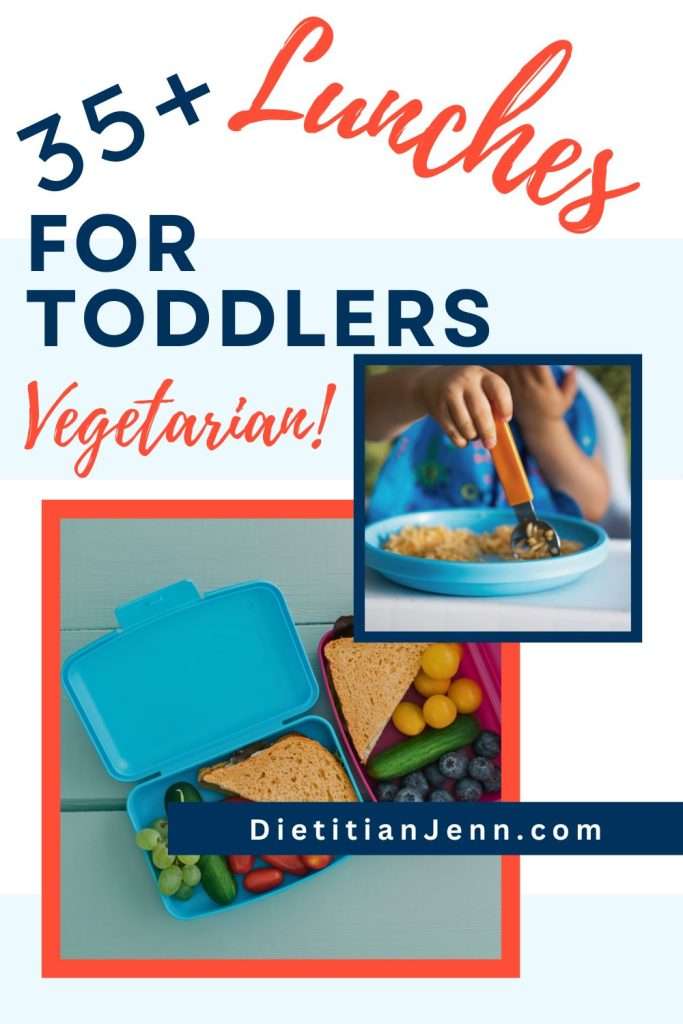
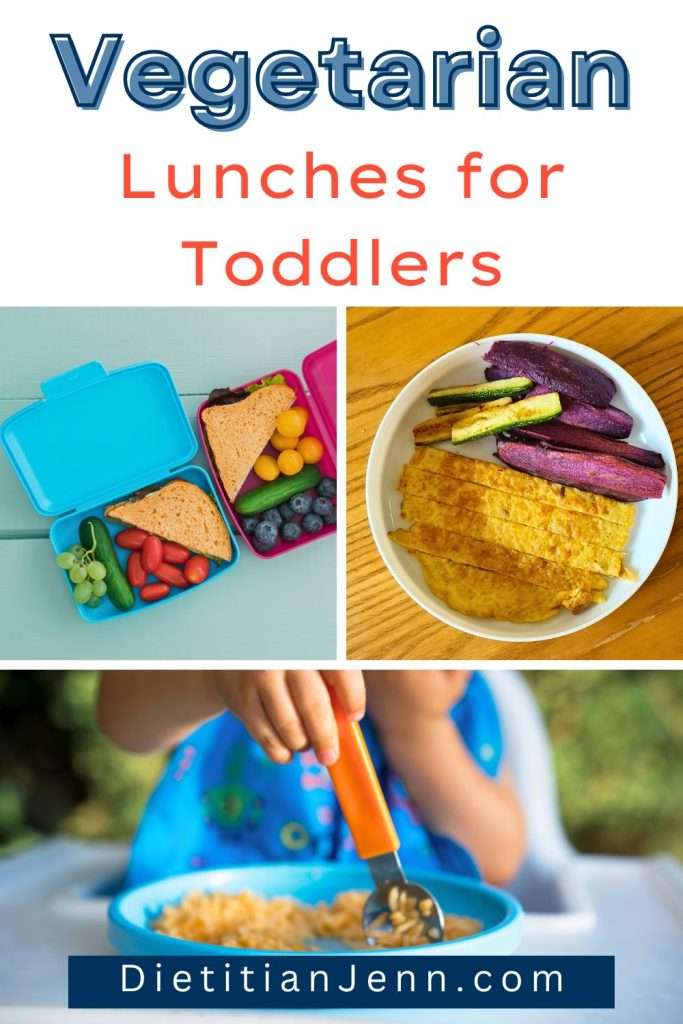
Bento boxes are a fantastic way to offer toddlers a balanced, colorful, and exciting lunch all in one compact container.
The segmented layout keeps foods separate, which can be a big plus for picky eaters, and allows you to incorporate a range of textures, colors, and flavors without overwhelming them.
Bento boxes also help ensure a balanced meal by giving space for each food group, making it easy to mix protein, veggies, grains, and a touch of healthy fat.
I love how customizable bento boxes are. They’re great for using leftovers and can be adjusted based on your toddler’s preferences and nutritional needs. You can build one in minutes by focusing on a protein, a veggie, a fruit, and a fun snack, all in kid-sized portions that are easy to handle.
- Example 1: Chickpea salad with halved cherry tomatoes, sliced cucumbers, whole-grain crackers, a few apple slices, and hummus for dipping.
- Example 2: Mini cheese cubes, grape halves, steamed carrot sticks, and a small veggie wrap with avocado spread.
- Example 3: Choose a cute, kid friendly skewer and alternate cheese cubes with veggies.
With bento boxes, feel free to get creative by rotating ingredients and changing flavors! The variety helps keep lunches fresh, fun, and nutritious while introducing your toddler to new foods and flavors along the way.
Finger Food Combos
Toddlers naturally gravitate toward foods they can pick up, dip, and enjoy bite by bite.
Finger foods offer a hands-on way for little ones to explore their lunch and are often easier to eat independently—perfect for busy days when they eat on the go or at daycare. With a balanced approach, finger foods can deliver plenty of nutrients while also feeling like a “snackable” treat.
Plus, finger foods allow for flexibility in portions. You can offer a mix of proteins, grains, and veggies in small servings, making it easy to cater to changing appetites. Here are a few of my favorite finger food options that provide variety and pack essential nutrients.
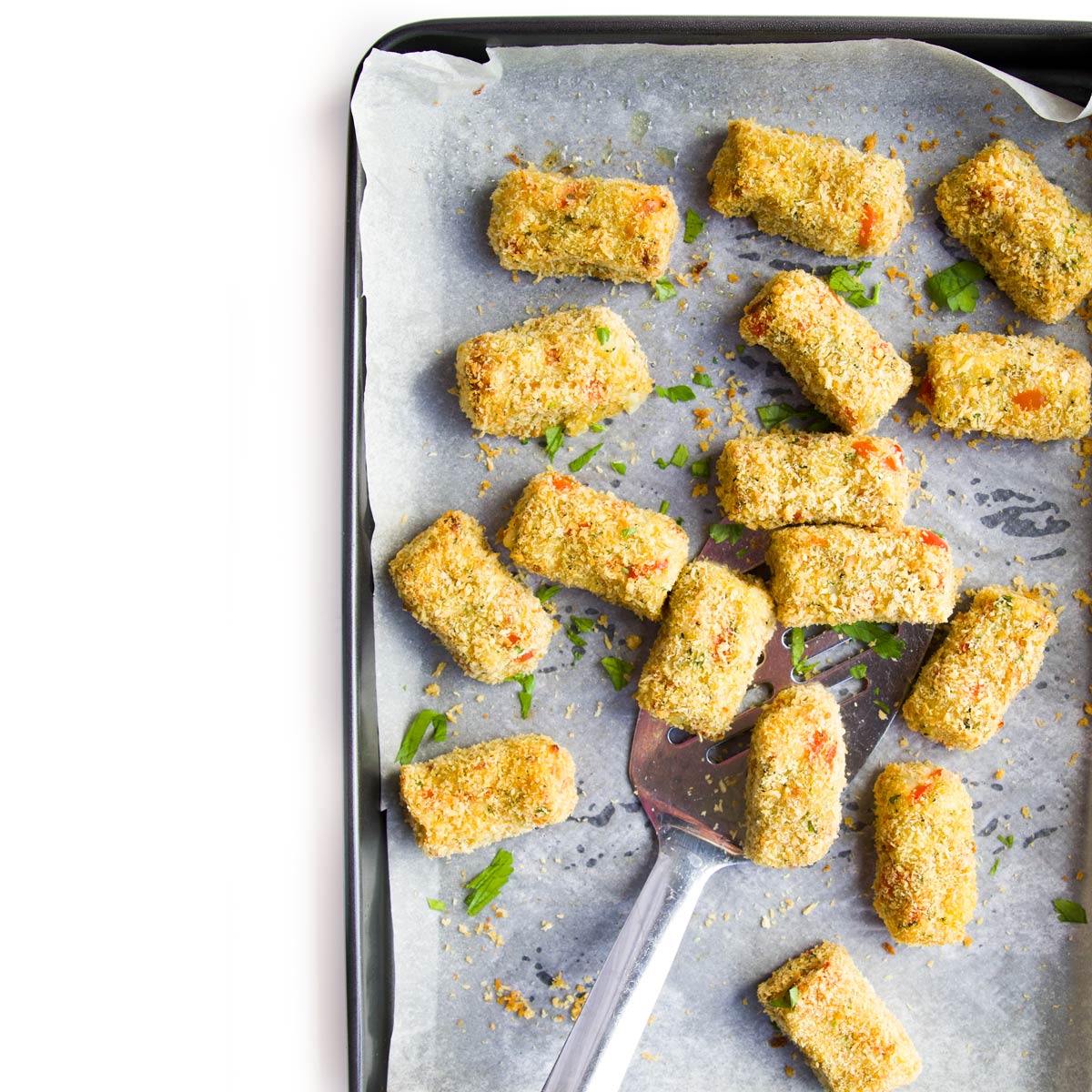
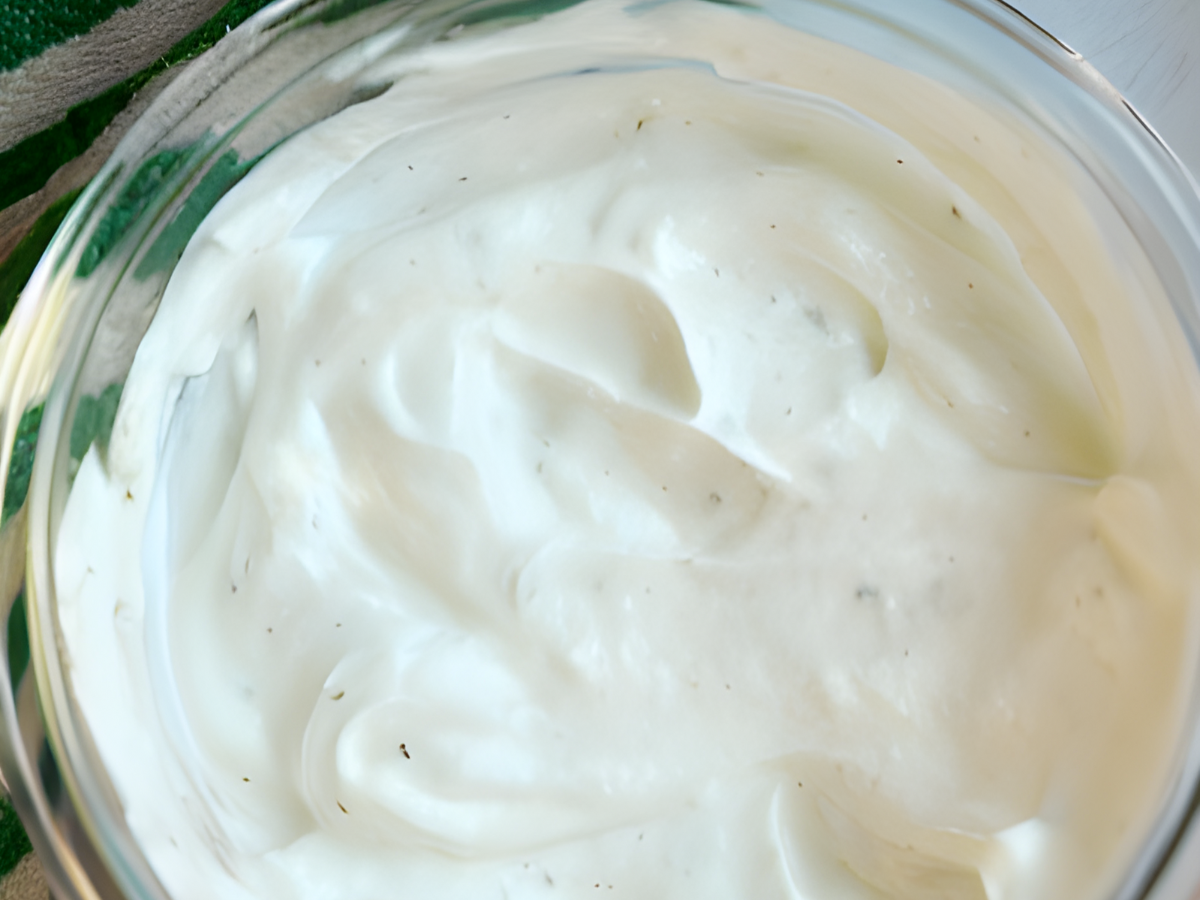
- Example 1: Tofu cubes, baby carrots (steamed), sweet potato fries (mushed, if needed), and cucumber rounds with a mini dip like ranch or guacamole.
- Example 2: Whole-grain pita cut into strips, hummus, black beans, and halved grapes.
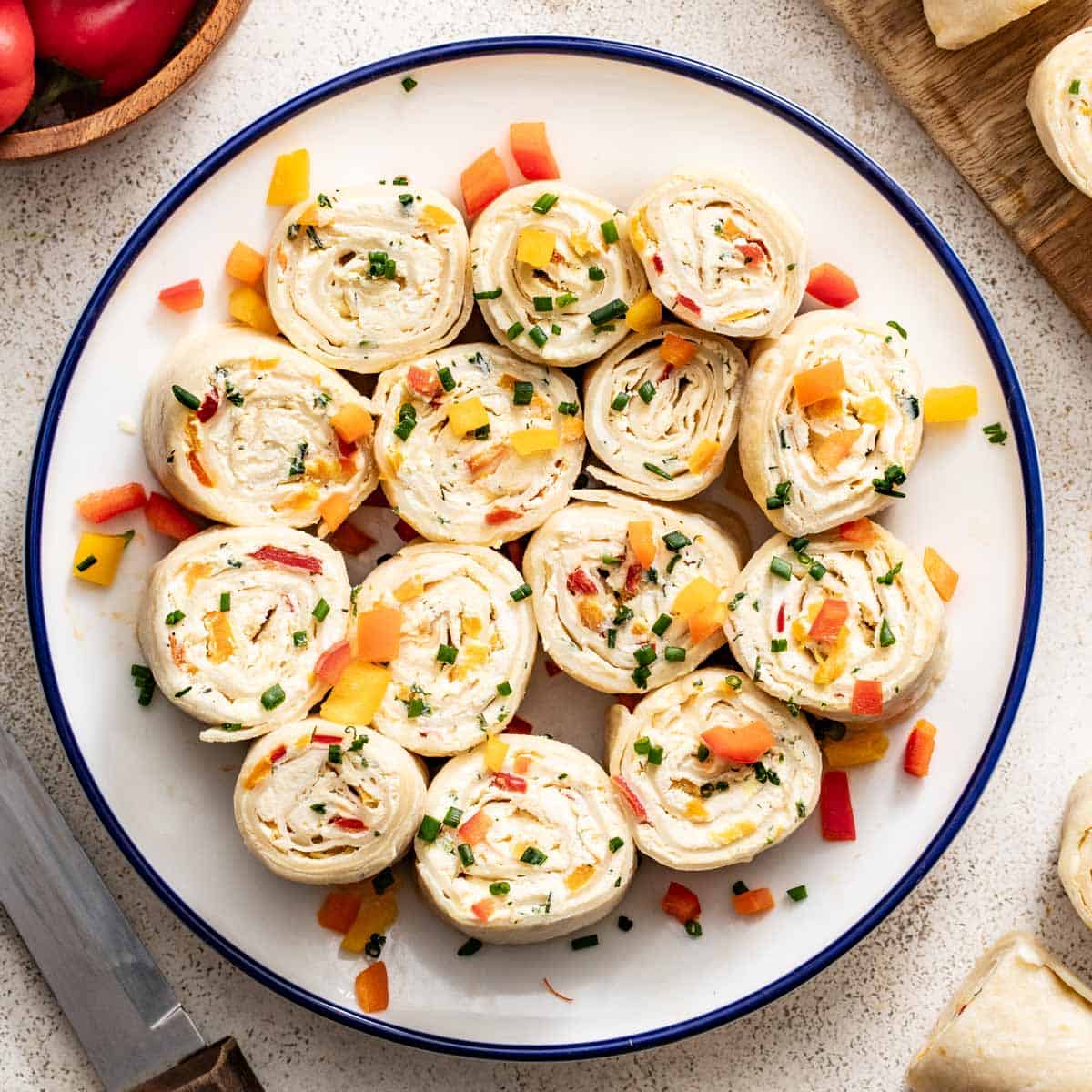
If you’d rather see a recipe, I’ve got you covered!
![Crispy Breaded Tofu Sticks [Pan Fry| Bake| Air fry]- Plant-Based on a Budget](https://plantbasedonabudget.com/wp-content/uploads/2018/12/Vegan-Breaded-Tofu-Strips-Plant-Based-on-a-Budget-11.jpg)

Finger foods allow you to mix up ingredients based on what you have on hand, making it easy to create a balanced lunch without much prep time. These bite-sized options will surely be a hit with your toddler and offer essential nutrients in a way that feels more like play than eating!
Simple Wraps & Sandwiches
Wraps and sandwiches are classic lunch staples that offer endless possibilities for adding variety and nutrition. For toddlers, keeping things simple, colorful, and easy to hold can make these options more appealing.
Whether you go with a traditional sandwich or roll up a wrap, both can be packed with protein, healthy fats, and veggies in a way that’s quick to assemble and fun to eat.
The beauty of wraps and sandwiches is that you can adjust ingredients based on your toddler’s preferences and dietary needs, making them incredibly versatile. Plus, you can slice them into smaller pieces for easy handling, making them ideal for little hands.
You can also find cute little sandwich cutters to make them into fun shapes!
Here are some go-to ideas for tasty, nutritious, and easy-to-prepare wraps and sandwiches.
- Example 1: Hummus, shredded carrot, and mild shredded cheese in a whole-grain tortilla wrap.
- Example 2: Mini sandwich with mashed avocado, shredded cheese, and grated carrots on whole-grain bread.
- Example 3: Sunflower butter (or any nut/seed butter) spread on whole grain bread with banana slices, cut into small squares or circles.
- Example 4: Mashed chickpeas with Greek yogurt or mayo, a pinch of salt, and diced cucumber, served on whole-grain bread or mini pitas.
- Example 5: Crumbled tofu, shredded spinach, and a mild seasoning mix (try a dash of mild curry powder) wrapped in a whole wheat tortilla.
And for extra inspiration, here are some fun recipes to try!

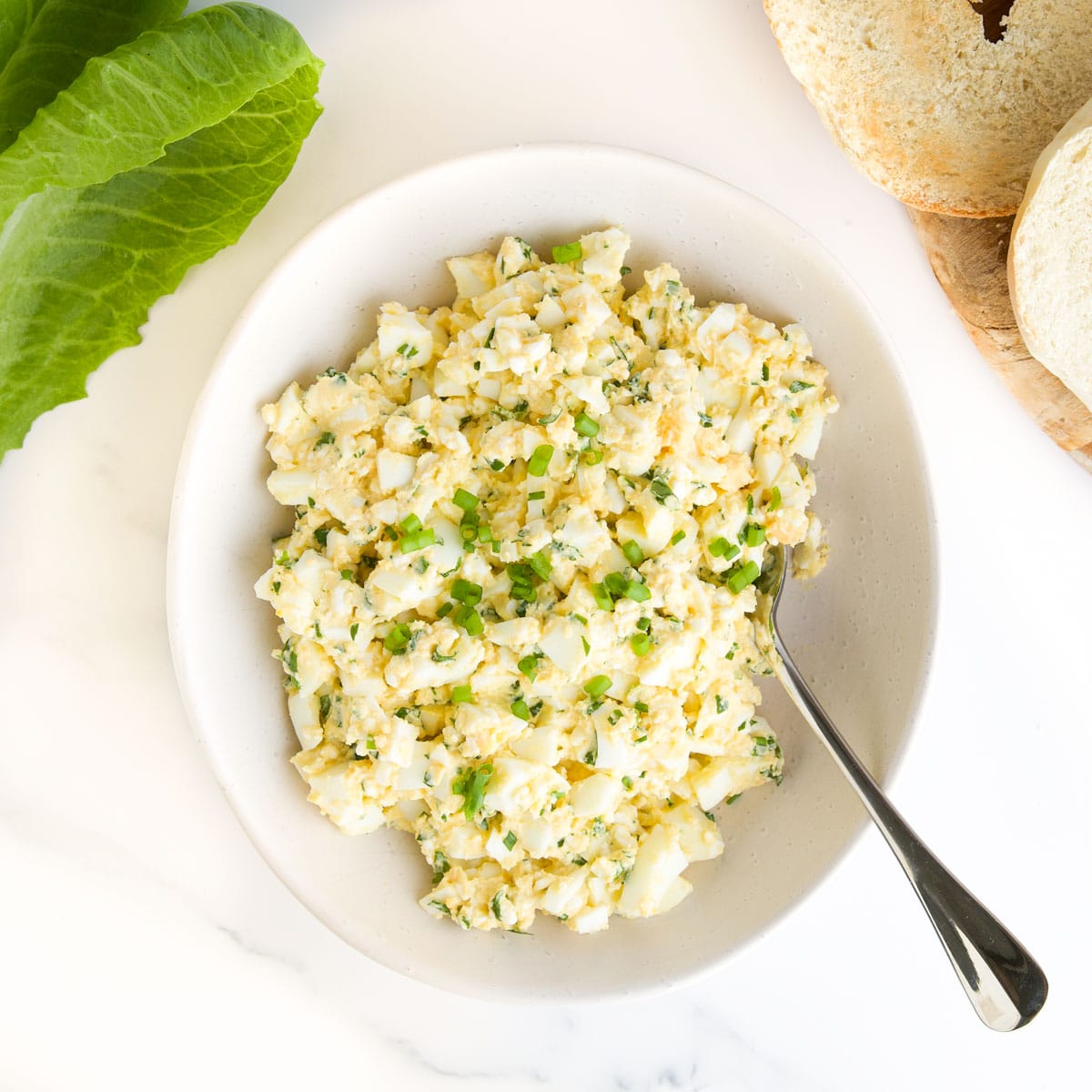

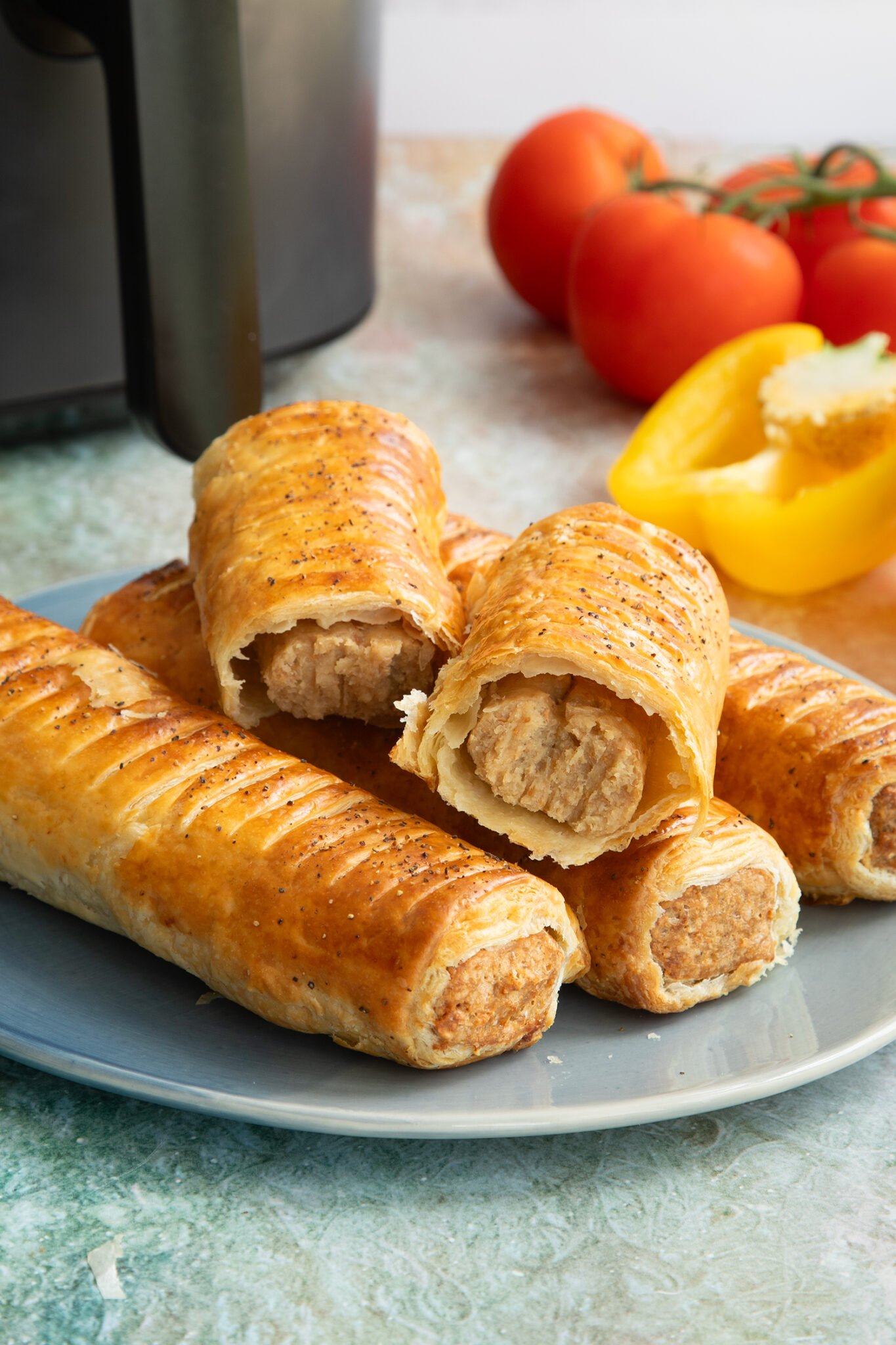
Bowls and Pasta
Bowls and pasta dishes make for a satisfying, all-in-one lunch option that’s easy to customize and packed with nutrients. They allow you to layer grains, proteins, and veggies in a visually inviting way and are perfect for toddlers who enjoy mixing or picking out their favorite bits.
Pasta is often a hit with little ones, giving you a base from which to sneak in some extra veggies or protein without fuss.
These dishes are easy to batch-cook and adjust based on what ingredients you have on hand, making them a versatile choice for parents who want to keep meals simple yet balanced. Here are a few easy, nutrient-dense ideas for bowls and pasta dishes that toddlers will love:
- Burrito Bowl: Quinoa or rice, black beans, roasted bell peppers, diced avocado, and a sprinkle of mild cheese.
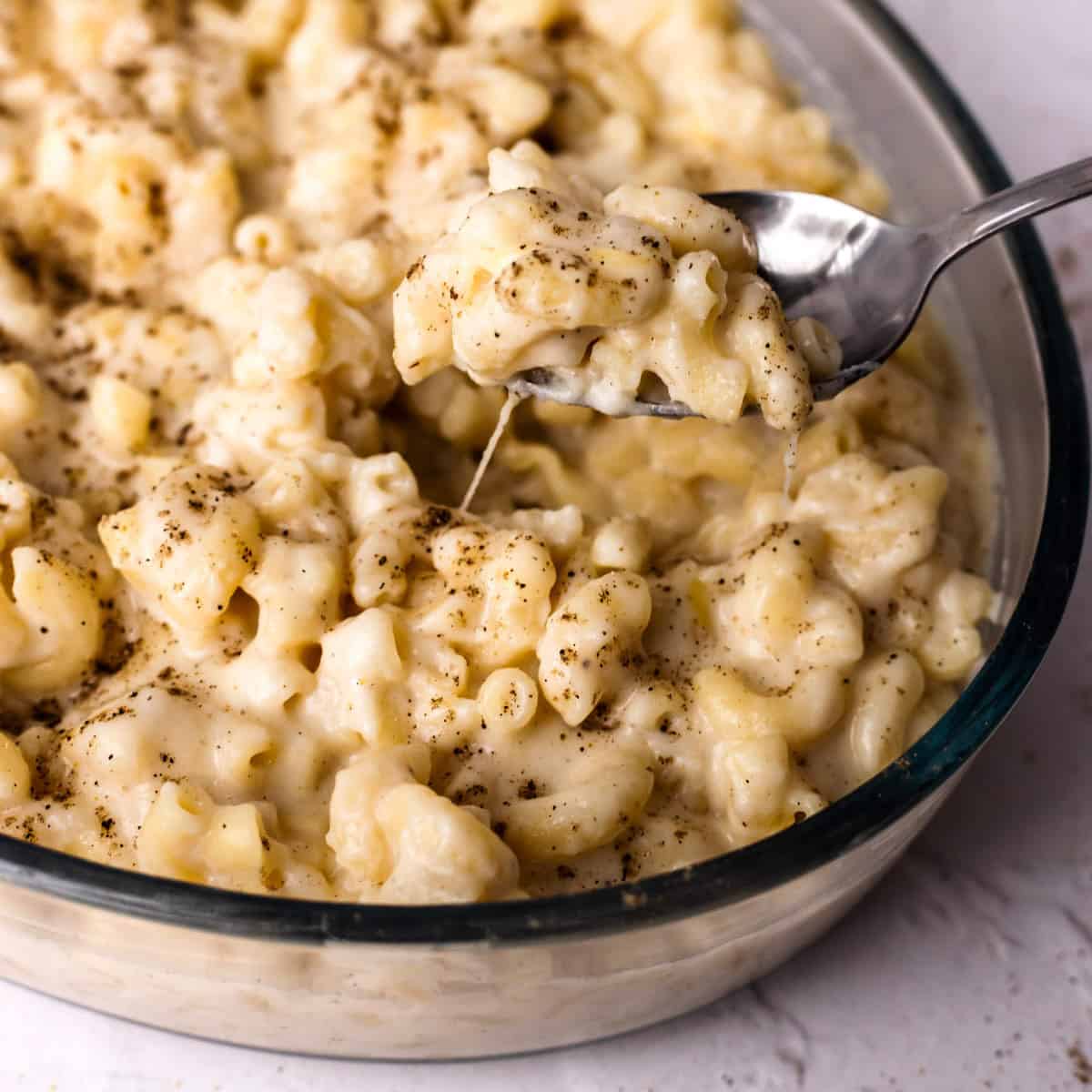
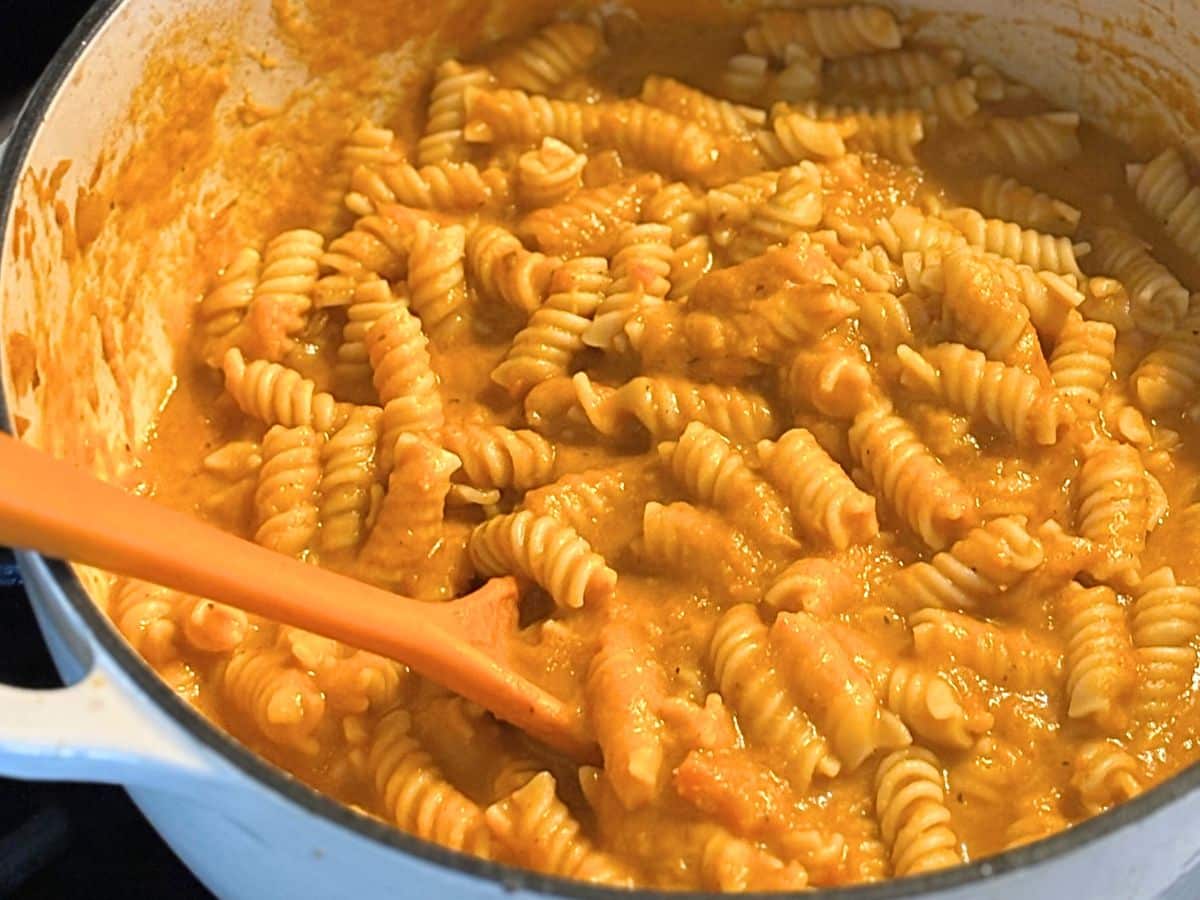
- Veggie Mac and Cheese: Whole wheat or chickpea pasta with a light cheese sauce mixed with finely chopped broccoli, carrots, and peas. Alternately, you can add shredded or pureed veggies to the sauce. Butternut squash works really well in mac n’ cheese.
- Rainbow Rice Bowl: Brown rice, diced cucumber, shredded carrots, cherry tomatoes, and small tofu cubes, with a light drizzle of tahini or hummus on top.
- Pesto Pasta with Peas: Small pasta shapes with a light basil pesto and a handful of green peas, topped with a sprinkle of mild cheese if desired.
Bowls and pasta dishes are easy to prepare and allow for a great variety of flavors, textures, and colors—all of which can make lunchtime more enjoyable for your toddler. With a balanced mix of grains, protein, and veggies, these meals are an easy way to keep lunch nutritious and fun!
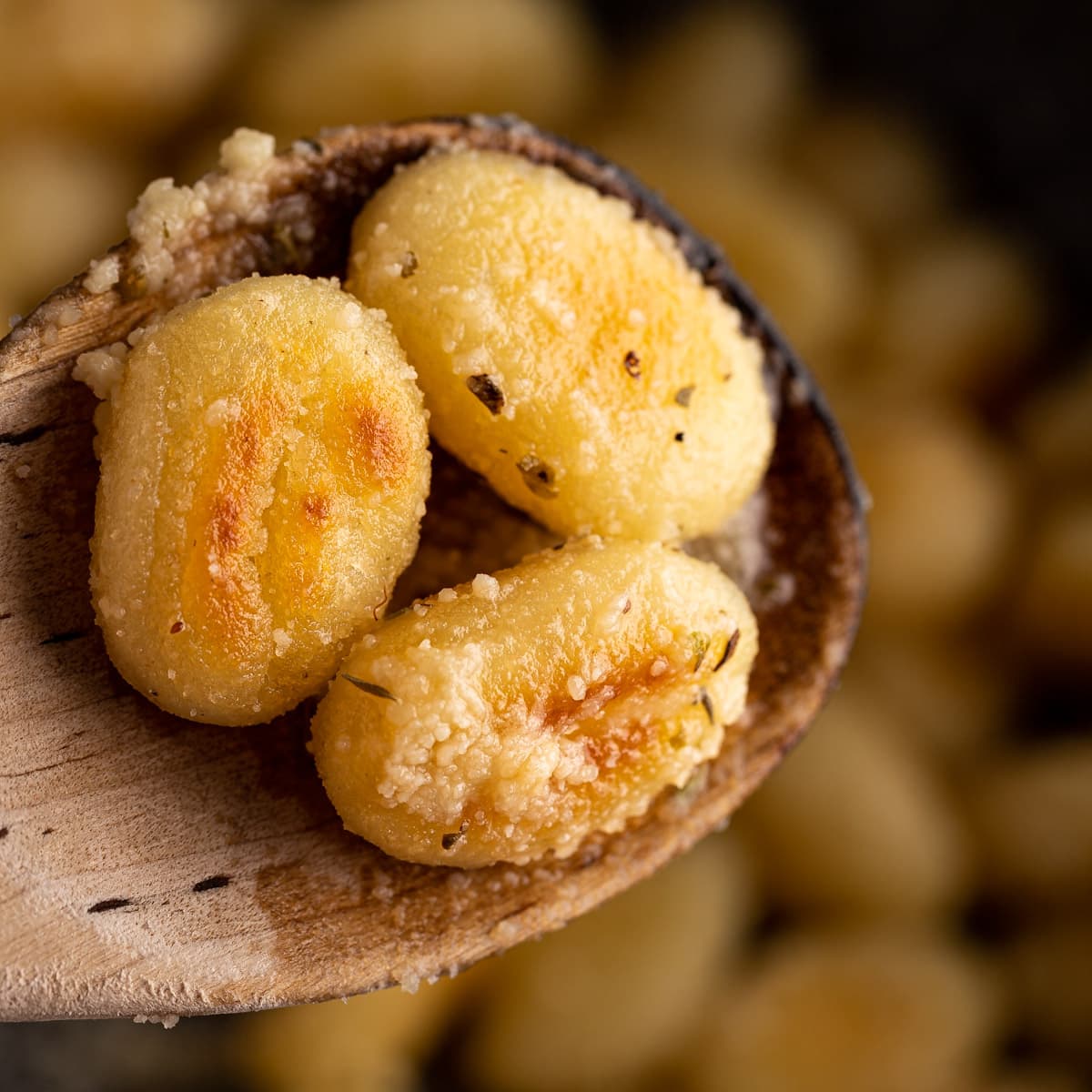
Here’s a few more detailed recipes to try:

Looks Like Pizza!
Pizza-inspired lunches are a win for most toddlers. There’s something about the combination of melted cheese, flavorful tomato sauce, and a warm crust that just draws kids in. Luckily, you don’t need a traditional pizza setup to bring that flavor into lunchtime!
Using ingredients like whole wheat pitas, English muffins, or even tortillas as a base, you can create endless pizza variations that satisfy cravings while packing in protein, veggies, and whole grains. Here are some simple, tasty ideas that offer a bit of pizza flair for your toddler’s lunchbox.
- Mini Pita Pizzas: Whole wheat pita rounds topped with tomato sauce, shredded mozzarella, and finely chopped bell peppers, then baked until bubbly.
- English Muffin Pizza: Whole grain or regular English muffin halves, topped with tomato sauce, shredded cheese, and sliced mushrooms or olives, then toasted until the cheese melts.
- Tortilla Pizza Roll-Ups: Whole wheat or regular tortillas spread with marinara sauce and cheese, topped with baby spinach or diced peppers, then rolled up and sliced into rounds.
- Zucchini Pizza Bites: Sliced rounds of zucchini, topped with a bit of tomato sauce, cheese, and a sprinkle of oregano, then broiled for a quick, cheesy bite.
These easy recipes capture the magic of pizza in portable, nutrient-dense forms that are quick to whip up.
Leftover-Friendly Lunches
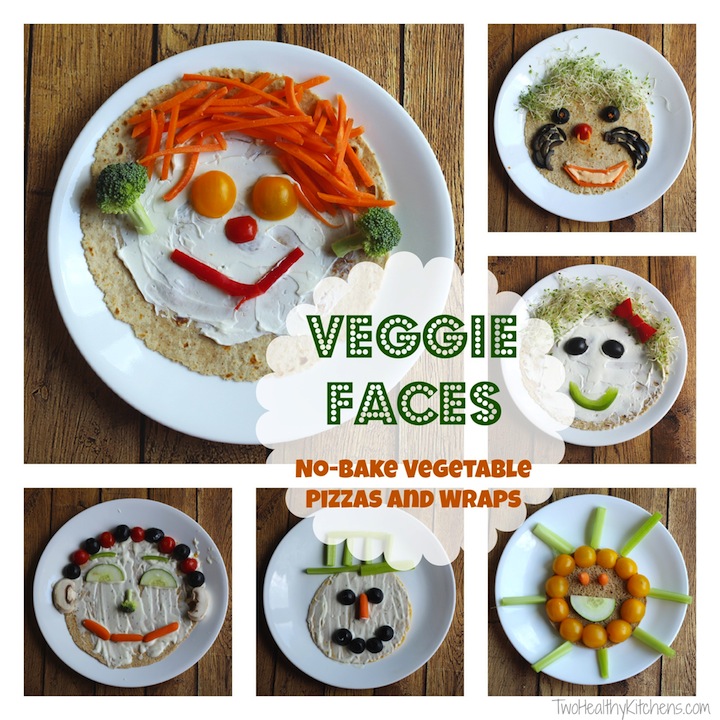
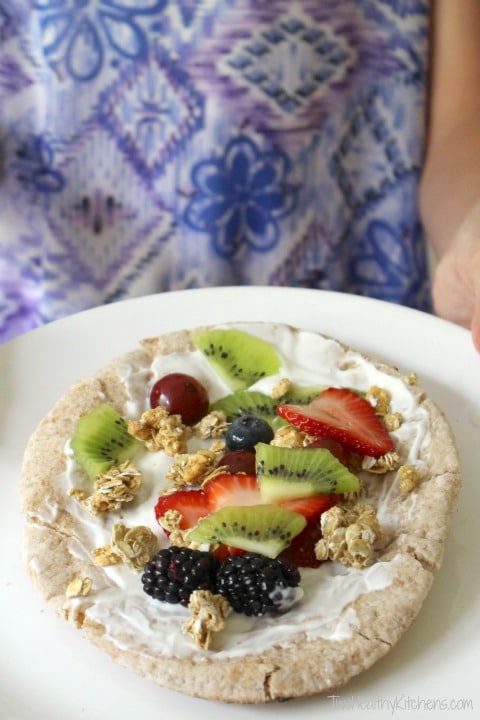
Reimagining leftovers as lunch saves time, reduces food waste, and introduces a variety of flavors that toddlers get familiar with at dinner.
Some dishes are especially adaptable for little ones, even when served cold or at room temperature, making them ideal for quick, nutritious lunches. Leftover-friendly lunches are all about finding ways to use what you already have, adding a few simple touches to keep things exciting and balanced.
Here are a few easy ways to transform last night’s meal into a tasty lunch for your toddler.
- Example 1: Small serving of leftover veggie stir-fry with quinoa or rice.
- Example 2: Leftover lentil soup with a side of whole-grain crackers and a banana.
- Example 3: Small whole wheat tortillas filled with last night’s rice and beans, plus a bit of shredded lettuce or avocado, rolled up and sliced into pinwheels.
Tips for Picky Eaters
Feeding picky eaters can feel like an art form—one that’s constantly evolving! A few simple techniques can make a world of difference in helping your toddler feel excited about trying new foods or familiar favorites in a new way.
Here are some tried-and-true tips to make lunchtime a little easier (and more fun!) for everyone.
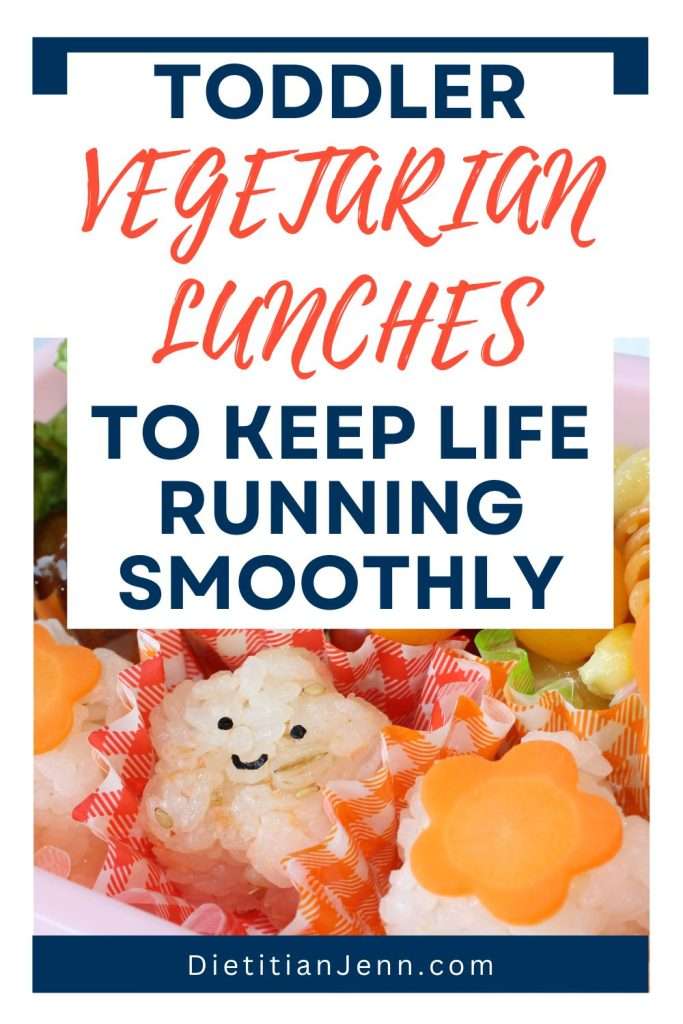
- Presentation is Key: We eat with our eyes first, so making meals visually appealing can help capture your toddler’s interest. Try using fun plates with sections, cutting fruits and veggies into cute shapes (like stars or hearts), or packing food in colorful, divided containers like a bento box.
- Keeping foods separate can make them more appealing for little ones who prefer distinct flavors and textures. Even a small detail, like using a mini fork or a colorful toothpick, can make eating feel like an adventure.
- Try Dips: Dipping is a big win with most toddlers! Including a dip like hummus, yogurt-based sauces, or mild guacamole adds a little extra flavor while making lunchtime more interactive. Pairing a dip with veggies, pita triangles, or whole-grain crackers adds fun and boosts nutrition.
- Even picky eaters who hesitate with certain foods might be more willing to try them if they come with a favorite dip on the side.
- Involve Toddlers in Prep: Inviting toddlers into the lunch-making process can be a game-changer. Giving them choices—like picking out which veggies to include or helping place foods in containers—can increase their excitement and ownership over what they eat.
- Simple tasks, such as arranging veggies or choosing between toppings, give them a sense of independence and make them more open to trying what they’ve helped create.
- Offer Choices: Giving toddlers choices between two lunch options allows them to feel empowered and reduces mealtime resistance. For instance, ask, “Do you want the pasta salad or the veggie wrap today?” This way, they feel involved in their lunch decisions, and you still ensure they have a balanced meal.
- Making it a regular habit to offer choices, even in small ways, can help build their confidence and make them more open to new foods over time.
Meal Prep and Time-Saving Tips
When it comes to getting nutritious meals on the table (or in the lunchbox!) for a busy toddler, a little bit of meal prep can go a long way. With simple strategies, you can save time throughout the week, reduce stress, and keep lunchtime organized and varied.
Here are my go-to tips for keeping meal prep efficient and toddler-friendly:
- Batch-Cook Staples: Batch cooking is a lifesaver when it comes to quick meal assembly. Prepping staples like quinoa, beans, or roasted veggies at the start of the week can help you mix and match ingredients for different lunches without starting from scratch every day.
- Freezer-Friendly Options: The freezer can be a massive help in preparing healthy, ready-to-go ingredients that make lunch assembly super quick.
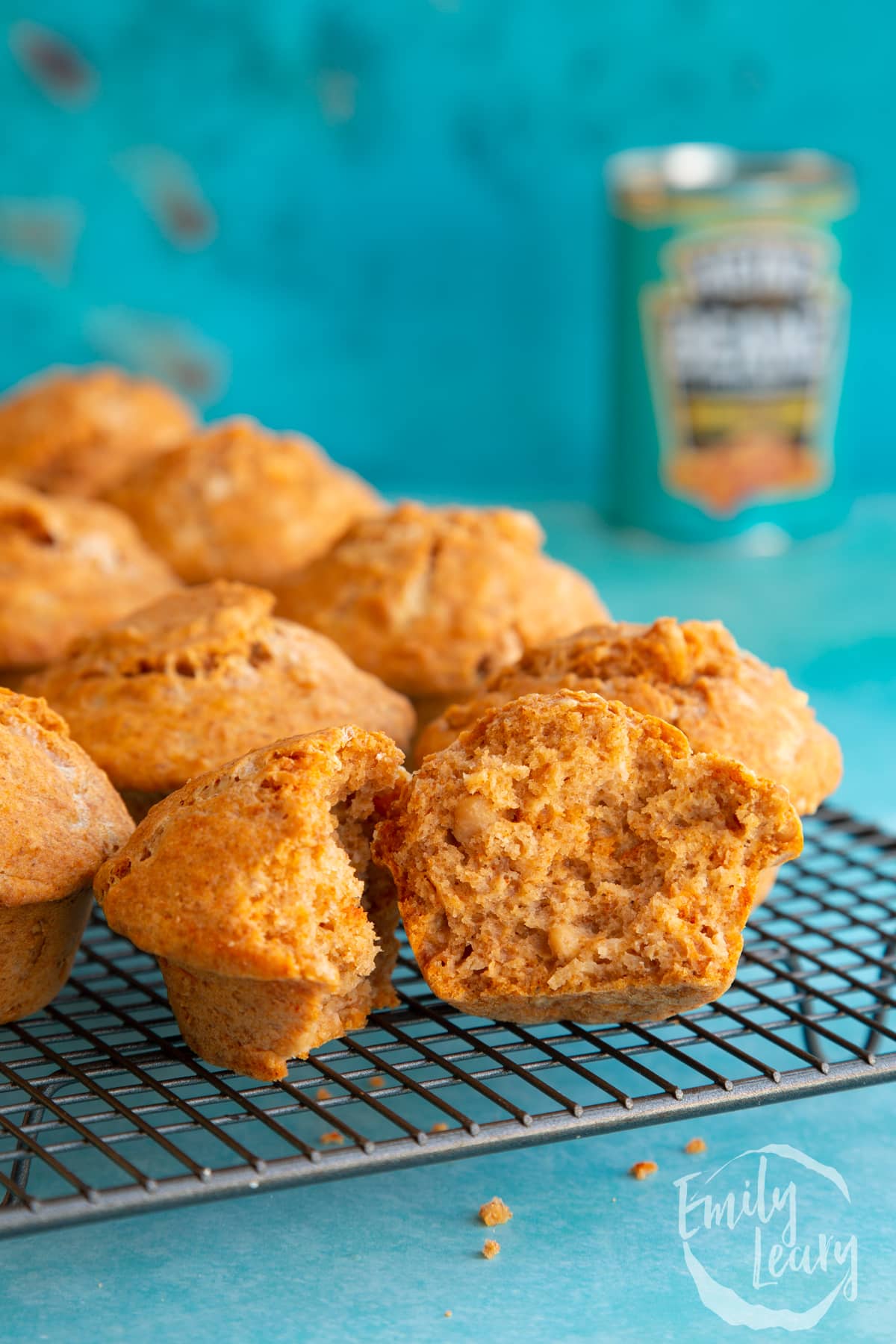
- Make a batch of veggie patties, mini muffins, or roasted sweet potato bites, and freeze them in small portions. Frozen veggies like peas, corn, or broccoli florets are easy additions to lunchboxes and can be thawed with minimal effort. Just pop them out of the freezer in the morning, and they’ll be ready to eat by lunchtime!
- Portion in Advance: Another time-saver is portioning food into toddler-sized servings as you prep. This could mean dividing fruits and veggies into small containers or bags or pre-slicing cheese, fruits, or veggie sticks so they’re ready to grab and pack.
- These ready-to-go portions streamline the morning rush and make it easier to pack balanced lunches without fuss.
With these tips, lunchtime can be less of a scramble and more about enjoying a healthy, balanced meal—even on hectic days. A little prep upfront can help you maintain variety, save time, and reduce stress, all while making sure your toddler gets the nourishment they need.
Safety Reminders and Allergy Considerations
When it comes to toddler lunches, safety is always a top priority. From choking hazards to food allergies, a few careful adjustments can ensure every meal is as safe as it is delicious. Here’s what to remember as you pack those healthy, balanced lunches.
1. Watch for Choking Hazards
Toddlers are still learning to chew and swallow efficiently, which means certain foods can pose a risk of choking. Be mindful of foods like grapes, cherry tomatoes, hot dogs (even vegetarian ones), nuts, and chunks of raw vegetables—all of which should be modified to make them safer for little ones.
To reduce the risk, try these simple prep techniques:
- Grapes and Cherry Tomatoes: Cut them into quarters lengthwise.
- Raw Vegetables: Offer soft-cooked vegetables or cut raw ones into thin strips or small pieces.
- Nuts and Seeds: Grind them, use nut butters in thin layers, or add them to soft foods for safer texture.
By making these slight modifications, you can still include nutritious options while ensuring they’re safe for toddlers.
2. Introducing Allergenic Foods
Guidelines from the US, Canada, Australia, and Great Britain now encourage the early introduction of highly allergenic foods—such as peanuts, eggs, and shellfish—particularly for children at a higher risk of allergies.
Studies suggest that early introduction, starting around 6 months of age (or when your healthcare provider advises), can actually reduce the likelihood of developing allergies to these foods later in life.
Especially in kids with eczema, like my little, introducing foods like peanut butter (in a smooth, thin layer, not whole nuts) and scrambled eggs early can be beneficial.
Of course, always introduce these foods one at a time and be mindful of any signs of a reaction. If your toddler has already been diagnosed with an allergy, it’s best to avoid those foods and discuss appropriate alternatives with your healthcare provider.
3. Stay Aware of Food Temperatures
Some foods, like eggs or cooked proteins, must stay cool to prevent spoilage. If you’re packing items that need refrigeration, use an insulated lunch bag with an ice pack to keep them safe until lunchtime. This keeps food tasting fresh and helps prevent any risk of foodborne illness.
4. Avoid Overly Sticky or Hard-to-Chew Foods
Some foods that are sticky or particularly chewy can be hard for toddlers to manage. Foods like chewy candies, marshmallows, and sticky nut butter can cause trouble for small mouths still mastering chewing.
Choose softer, spreadable options, and be cautious with textures that might cause difficulty.
With these simple but important steps, you can be sure your toddler’s lunch is nourishing and safely prepared. As your child grows, adapting the textures and types of foods they eat can help them enjoy meals that are balanced, satisfying, and safe to explore.
Wrapping Up: Make Lunches Fun and Balanced
Creating a balanced, nutritious lunch for your toddler doesn’t have to be overwhelming or time-consuming. With simple ingredients and a bit of prep, you can build meals that are both healthy and fun, giving your little one a variety of flavors, colors, and textures to explore.
Remember, there’s no “one right way” to do lunch—finding what works best for your family and adjusting as you go is all part of the journey.
Don’t be afraid to keep experimenting! Tastes and preferences can change quickly with toddlers, so keep introducing new foods and textures, even if they don’t love them at first.
You might be surprised to see them enjoying foods they once turned down as they grow more curious and adventurous with eating.
And if you’re looking for more inspiration, I’ve got plenty of family-friendly meal ideas right here on the blog! Feel free to explore for more recipes and tips that make mealtime easier and more enjoyable for everyone.
If you’d like more lunch ideas, quick tips, and nutritious recipes sent straight to your inbox, be sure to sign up for my email list.
And if you’re interested in even more resources, like my high-protein meal plan, you can find all the details here on the blog—perfect for busy families looking to add a little extra balance to their routine.
With these ideas in mind, you’re ready to make lunches that are both nutritious and fun, bringing a little more ease to your day and joy to your toddler’s mealtime.
FAQs
Any of the above ideas would work.
I always recommend having at least 1 thing on the plate that the kid likes. This is even more important with fussy or picky kiddos.
For example, if you’re serving a burrito bowl, choose a veggie or starch your kid will eat willingly. You could also add a favorite fruit on the side.
Ultimately, keep fighting out of meal time. Set your rules and expect them to be followed, but arguing and/or yelling will only make most kids dig deeper.
Encourage them to try the foods on their plate. Some people love the “3 bite rule,” and others hate it. It’s worked well in my house.
Ask them what they don’t like about the food. The answer may be amazingly simple!
Remember that some snack foods, such as popcorn and corn chips, are off-limits to kids under 5. They’re pretty serious choking hazards.
For foods that don’t have to stay cold, consider whole-grain crackers, apples, or bananas with peanut butter (or an alternative), or those little pouches of pureed fruits and veggies.
If the snacks can stay cold, you have even more possibilities. Halved grapes, whole grain pita cut into triangles with hummus, marinated tofu cubes, and protein balls are all great options.

Jennifer Hanes MS, RDN, LD is a registered dietitian, mom, wife, and vegetarian in North Texas. She has dedicated Dietitian Jenn to be a source of information, ideas, and inspiration for people like her, vegetarians that live with people with different dietary beliefs and/or needs in a multivore household.